 Ultimate guide
7 Hidden Costs of Buying Off-Market Property
Last Updated: November 2, 2026
Quick Summary
The hidden costs of buying off-market property include private sale legal fees, appraisal shortfalls you must cover in cash or renegotiate, inspection findings such as well, septic and foundation issues, and holding costs that run while a private deal moves toward closing. Less price transparency also means a quiet listing is not automatically cheaper.
- Ask your lawyer for a written estimate before retaining anyone, since private sale legal costs can differ.
- Private sales carry more appraisal gap risk because no competing market data anchors the price.
- Order an independent appraisal before conditions are waived, plus a home inspection covering well, septic and foundation.
- Confirm why the seller is selling privately, verify title and encumbrances, and get an independent valuation before negotiating.
- Match your financing pre-approval to the private timeline before you commit.
Table of Contents
- What Hidden Costs Come With Off-Market Property
- Your Off-Market Property Due Diligence Checklist
- Private Sale Real Estate Legal Fees in Ontario
- Appraisal Gaps in Private Property Sales
- Frequently Asked Questions
What Hidden Costs Come With Off-Market Property
The hidden costs of buying off-market property rarely appear on the listing sheet. They surface later: legal work, appraisal shortfalls, inspection findings, and holding costs that can run while a private deal moves toward closing. Because a quiet listing is not automatically a cheaper one, it pays to review these costs before an offer goes in.
Off-market property is a home sold privately, without public listing or broad marketing. The trade-off is discretion and access in exchange for less price transparency.
Here are the cost areas the article flags for private, off-market purchases.
| Cost area | What it involves | Note |
|---|---|---|
| Legal work | Private sale legal fees | Ask for a written estimate before retaining a lawyer |
| Appraisal shortfall | Gap between agreed price and lender's appraised value | Cover in cash or renegotiate |
| Inspection findings | Home inspection, including well, septic, foundation | Ordered before conditions are waived |
| Holding costs | Costs that run while a private deal moves to closing | Can surface later, not on the listing sheet |
| Price transparency | Less market data to anchor the price | Quiet listing is not automatically cheaper |
Your Off-Market Property Due Diligence Checklist
Run the same checks you would on a listed home, then add three more: confirm why the seller is selling privately, verify title and encumbrances, and get an independent valuation before you negotiate. A private seller may skip staging and disclosure packages that a brokerage would normally assemble.
- Independent appraisal ordered before conditions are waived
- Title search and survey reviewed by your lawyer
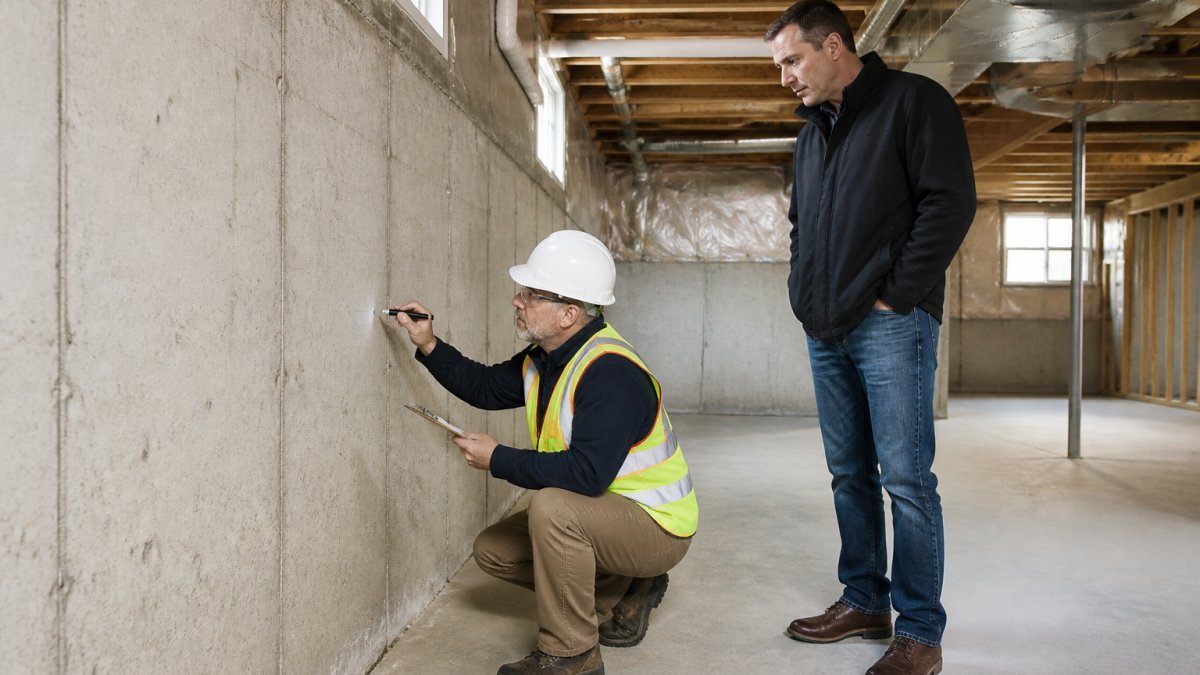
- Home inspection, including well, septic, and foundation where applicable
- Written confirmation of what stays with the property
- Financing pre-approval matched to the private timeline
For a fuller process, see our guide on finding off-market luxury homes step by step.
Private Sale Real Estate Legal Fees in Ontario
Ask for a written estimate from your lawyer before you retain anyone, since legal costs on a private sale can differ from those on a standard transaction.
Weighing whether to bring representation into the deal? Our breakdown of whether a luxury buyer agent is worth hiring covers what that support includes.
Appraisal Gaps in Private Property Sales
An appraisal gap is the difference between the price you agreed to pay and the value a lender's appraiser assigns. Private sales carry more gap risk because there is no competing market data to anchor the price. If the appraisal comes in low, you cover the shortfall in cash or renegotiate, and a private seller has no obligation to move.
Understanding where that risk sits in the wider transaction helps; our luxury home buying process guide maps it out.
Before you accept a premium for access, read our analysis of how to judge if an off-market property is worth it. For the search itself, our Ontario-focused guide on how to find off-market luxury homes covers where private inventory actually comes from.
Frequently Asked Questions
What are the common hidden costs when purchasing a property off-market?
Expect costs beyond the purchase price: a home inspection and any specialist reports, a land survey or title search, legal fees for drafting the agreement, and lender appraisal or financing charges. Budget for holding costs if the closing date shifts, and for remediation if the inspection uncovers defects the seller will not fix. Ask for a written cost estimate before you sign anything.
Do off-market properties require more extensive due diligence?
Yes. With no public listing, you cannot rely on listing photos, disclosure history or comparable sale records, so the burden shifts to you. Work through an off-market property due diligence checklist: verify title and encumbrances, confirm zoning and permitted use, inspect the structure and systems, and check for outstanding work orders or easements. Skipping any step can lead to unexpected repair costs after closing.
How do appraisal gaps in private property sales affect financing?
A lender will appraise the home before approving a mortgage. In a private sale there are fewer comparable sales to support the agreed price, so the appraisal can come in below it. You then cover the difference in cash or renegotiate. Get a pre-approval and ask your lender how they treat private sales before you make an offer, so a gap does not derail the deal at the last minute.
Private transactions reward preparation and punish assumptions. Gold Estate Realty Inc combines AI-powered intelligence with exclusive off-market opportunities across luxury residential and commercial real estate, so you see the full cost picture before you commit. Get started with Gold Estate Realty Inc and negotiate your next private purchase from an informed position.